
What Gamification Features Actually Increase Reading (Badges, Streaks, Leaderboards)?

Badges, streaks, and leaderboards can all increase reading when they reward consistency and effort rather than speed or rank. Streaks and badges tend to work for the widest range of readers, while leaderboards work best when they celebrate team or community progress, so every reader has a way to contribute.

Masthead Waves

Quick Answer: What Gamification Features Actually Increase Reading?

The features that make the biggest difference are:

  • Visible streaks that reward reading a little bit every day
  • Badges that mark milestones, new genres, and effort
  • Personal goals that let each reader see their own progress
  • Team or community leaderboards that celebrate shared progress
  • Reading challenges that bring these features together in a clear, time-bound experience
  • Small rewards that point back to reading, like picking the next class read-aloud
The goal is to use game elements to build a lasting reading habit, not to replace the joy of reading itself.

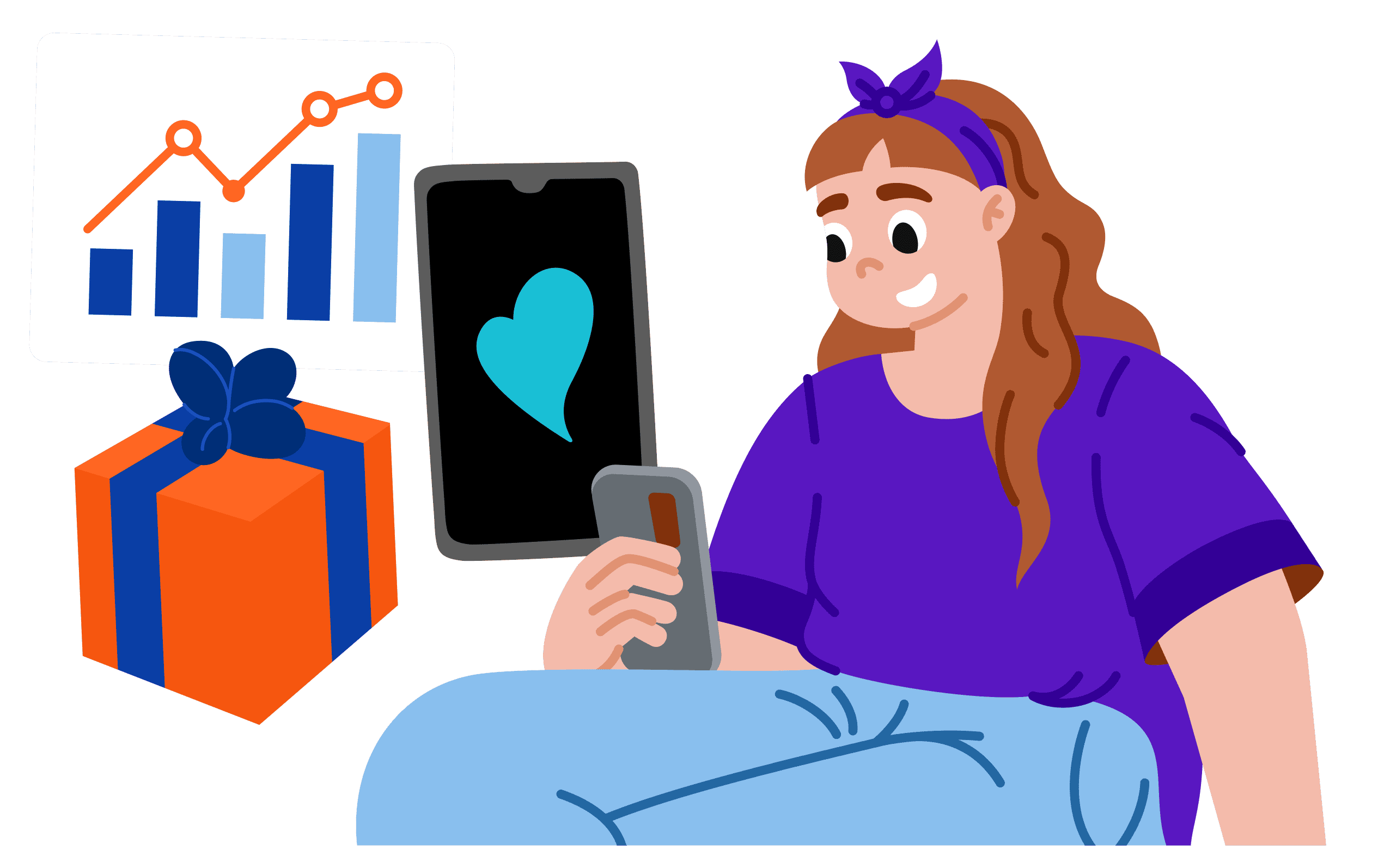
Five key gamification strategies for increasing reading: streaks, badges, goals, leaderboards, and challenges

Why Gamification Works for Reading

Reading progress can be hard to see. A student might read for weeks before finishing a long book, and a young reader may not notice their fluency growing day by day. Gamification makes that progress visible. A streak counter, a new digital badge, or a class goal bar gives readers a clear signal that their effort is adding up, and that signal keeps them coming back.

Gamification works best when it supports a reader's own motivation instead of replacing it. When points or prizes become the only reason to read, some readers start rushing, choosing the shortest books, or stopping as soon as the rewards end. The most effective features celebrate the habit of reading and leave plenty of room for readers to enjoy the books themselves.

Which Gamification Features Increase Reading Most?

Each feature motivates readers in a slightly different way. Understanding how they work helps schools and libraries choose the right mix.

1. Streaks

Streaks reward readers for showing up consistently, which is exactly what builds a reading habit. A streak asks for a small daily commitment, like reading for 10 minutes, rather than a big one. That makes streaks especially helpful for struggling readers and busy families, because every reader can succeed at the same pace. Gentle reminders and the chance to restart a streak keep one missed day from undoing a reader's motivation.

2. Badges

Badges turn milestones into moments worth celebrating. They work best when they recognize a variety of accomplishments, such as reading a set number of minutes, trying a new genre, finishing a first audiobook, or writing a book review. When badges reward curiosity and effort, not just total books read, readers at every level have something to earn.

3. Leaderboards

Leaderboards add energy and friendly competition, but they need thoughtful design. An individual ranking can inspire top readers while discouraging the students who need motivation most.

Leaderboards work best when they:

  • Compare classrooms, grade levels, teams, or branches rather than individual readers
  • Track minutes or participation instead of books finished
  • Let readers opt in or connect with friends instead of ranking everyone publicly
  • Reset regularly so new readers have a real chance to climb

Used this way, a leaderboard becomes a way to rally a community around a shared goal.

4. Reading Challenges

Reading challenges bring streaks, badges, goals, and leaderboards together into one experience with a clear start, finish, and purpose. A summer reading program, a schoolwide readathon, or a genre bingo challenge gives readers a reason to join in and a shared story to be part of. Challenges also provide educators and librarians with a natural opportunity to celebrate every milestone together.

How Schools and Libraries Can Use Gamification Effectively

A few simple design choices make the difference between a game that sparks a lasting habit and one that fades after a week.

Step 1: Start with a clear reading goal

Decide what you want readers to do more of. Is the goal more daily reading, more family reading at home, or more variety in students' choices? Your goal shapes which features to use. Streaks support daily habits, badges encourage variety, and team goals build community. Our reading challenge playbook walks through how to plan a challenge from start to finish.

Step 2: Reward effort, not just volume

Minutes read, days in a row, and new genres tried give every reader a fair chance to succeed. Counting only books finished or pages read tends to favor the strongest readers and can push others toward shorter, easier books.

Step 3: Make the game inclusive

Count every format, including print books, ebooks, audiobooks, graphic novels, and read-alouds. Offer several ways to earn recognition so that readers who love long novels, readers who prefer comics, and readers who are just getting started all feel like the game was designed for them.

Step 4: Keep it fresh and celebrate often

Introduce new badges, seasonal challenges, and fresh team goals throughout the year. Share progress with families, announce milestones, and celebrate collective wins. Regular recognition keeps momentum going long after the excitement of launch day.

How Digital Reading Tools Can Help

With Beanstack, we help schools and libraries build gamified reading challenges that reward consistency, celebrate milestones, and bring readers together, without adding extra work for educators, librarians, or families. With Beanstack, you can:

  • Launch reading challenges for classrooms, schools, districts, or whole communities
  • Award badges automatically as readers reach milestones
  • Track reading streaks that encourage a little reading every day
  • Set individual and community goals that everyone can contribute to
  • Use friends and leaderboards to add friendly, supportive competition
  • See participation and progress data to strengthen future programs
With Comics Plus, readers have thousands of high-interest comics, graphic novels, manga, and picture books to explore on the way to their next badge.

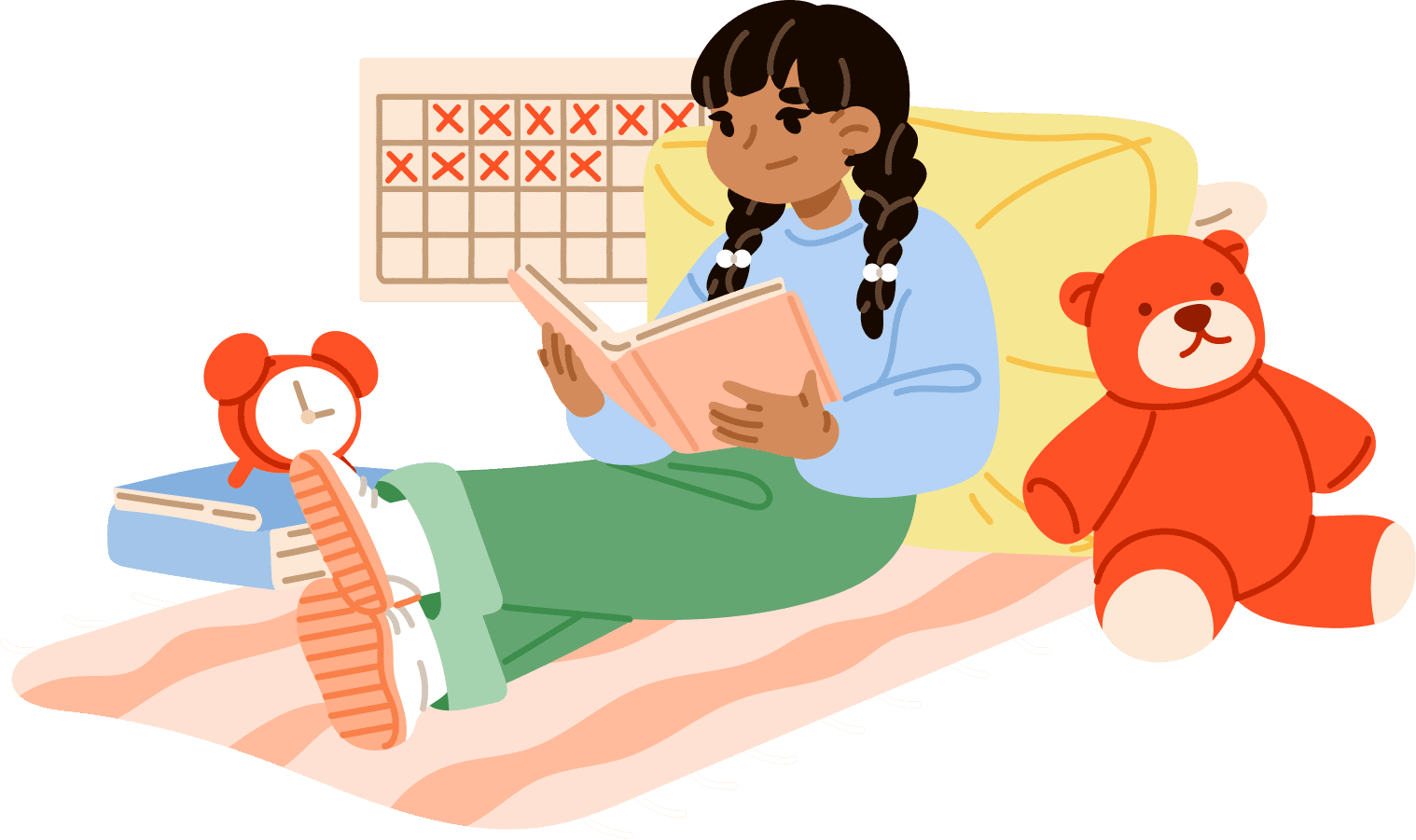
Student engaged in reading with digital tools, earning badges and tracking progress through gamification

Tips for Using Gamification to Increase Reading

  • Build streaks around small, achievable daily goals
  • Offer badges for variety, curiosity, and effort, not just volume
  • Use team and community leaderboards instead of individual rankings
  • Count every format, including audiobooks and graphic novels
  • Keep rewards connected to reading whenever possible
  • Refresh reading challenges throughout the year to keep momentum going
  • Share progress with families so the celebration continues at home

Frequently Asked Questions

They can if rewards become the main reason to read. Recognition that celebrates effort, consistency, and trying new things tends to reinforce a reader's own motivation rather than replace it. Rewards that point back to reading, like extra time for independent reading or choosing the next read-aloud, keep the focus on books.

Individual leaderboards can discourage readers who feel they will never reach the top. Team, classroom, or community leaderboards based on minutes or participation are a better fit because every reader's effort helps the group move forward.

A reading streak counts the number of days in a row a reader has logged reading. Streaks work because they reward small, consistent actions, which is how lasting habits form. A short daily goal, like 10 or 15 minutes, keeps streaks achievable for readers of all ages and levels.

Yes. Teens and adults often respond well to personal goals, streaks, and community challenges, especially when the design feels respectful rather than childish. Many libraries use reading challenges to engage community members of all ages, from early literacy programs to adult winter reading.