Public libraries have always been more than places to borrow books. They're trusted community spaces where people discover new ideas, learn new skills, connect with neighbors, and access resources that help them thrive. Long before conversations about digital equity became commonplace, libraries were helping bridge the digital divide by providing public computers, internet access, technology training, and guidance for anyone who needed it.
Today, that role is more important than ever.
The digital divide is still about access to technology, but it's also about ensuring everyone can participate in an increasingly connected world. Libraries help make that possible by providing trusted information, digital resources, and welcoming spaces where people can learn and connect.
Whether it's a toddler attending storytime, a teen finding a welcoming third space after school, a job seeker using a public computer, a senior learning new technology skills, or neighbors meeting through a book club, libraries create opportunities that strengthen entire communities.
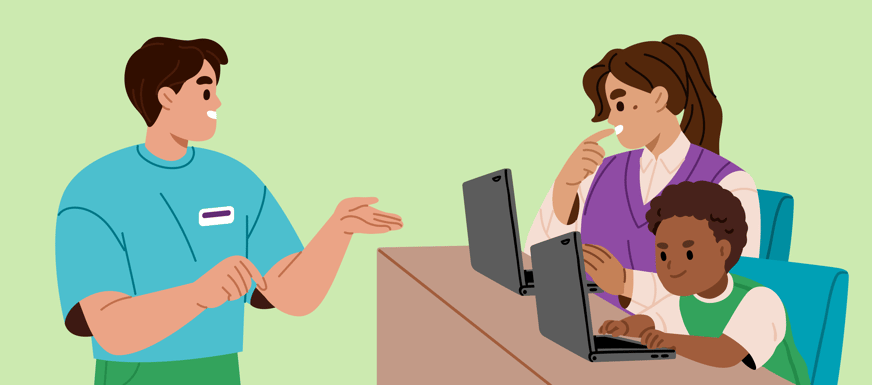
The Digital Divide Is About More Than Technology
When people hear the phrase "digital divide," they often think of internet access. Reliable broadband and devices remain essential, but digital equity also means ensuring people have the skills, resources, and opportunities to participate fully in today's world. Public libraries play a unique role in that work.
They provide Wi-Fi hotspots, public computers, technology training, and expanded access to digital collections, and create welcoming environments where people can confidently navigate an increasingly digital world. As Library Journal recently highlighted, libraries continue finding creative ways to close technology gaps while responding to the unique needs of their communities.
Libraries As Community Builders
Access has always been central to public libraries' mission. But what keeps people coming back is something harder to measure: a sense of belonging.
Every day, libraries create opportunities for people to gather around shared interests and experiences. A storytime becomes a chance for young families to connect. A book club sparks conversations between neighbors. A technology class builds confidence alongside new skills. These moments help transform the library from a place people visit into a place where they feel they belong.
As communities continue looking for ways to combat loneliness and strengthen local connections, that role feels more important than ever. Libraries remain one of the few public spaces where everyone is welcome, participation is free, and meaningful connections happen naturally.
Community Doesn't End at the Library Door
Libraries adapt to meet the changing needs of their communities. Today, supporting patrons often means extending services beyond the physical building.
Digital collections allow readers to borrow books anytime. Virtual programming reaches people who can't always attend in person. Mobile tools help families participate in library programs from wherever they are.
These services aren't meant to replace the library experience. They help extend it.
A family might discover a new author during storytime, then continue reading together at home. A patron who joins a community reading challenge at the library can continue participating throughout the week. Even if someone can't attend every event, they can still stay connected with the library and the community it serves.
By reducing barriers to participation, libraries create more opportunities for people to engage with reading and with one another.
A Rural Library Success Story
Effingham Public Library in Illinois recognized that not every patron could visit the library as often as they wanted. Like many rural libraries, they were looking for ways to help readers stay connected between visits. Using Beanstack alongside their existing reading programs gave patrons another way to participate.
Readers could join challenges during a library visit, then continue logging their reading from home or on the go. Families participated together, readers celebrated milestones, and the library remained part of everyday life even when patrons weren't physically in the building.
The technology wasn't the goal. Supporting the community was.
Shared Reading Builds Stronger Communities
One of the simplest ways libraries bring people together is through shared reading experiences. Summer reading programs, community reading challenges, book clubs, and family reading initiatives give people something to experience together. They spark conversations, encourage recommendations, and create opportunities for readers of all ages to celebrate progress together.
Reading has always been personal, but it has also been social. A favorite book passed between friends. A librarian recommending the perfect title. Families reading together before bed. A community working toward a shared reading goal. Those moments help transform reading from an individual activity into something communities experience together.
How Beanstack Helps Libraries Extend Their Impact
Beanstack is built to support the work libraries are already doing. Libraries use Beanstack to create reading challenges, recommend books, celebrate reading, and give patrons more ways to participate throughout the year. Whether someone joins a challenge at the library or logs their reading from home, Beanstack helps readers stay connected between visits.
Technology will continue to evolve, but the library's mission remains consistent: connecting people with information, opportunity, and one another. Beanstack gives libraries another way to continue that mission, helping them extend programs, strengthen community connections, and make reading a visible part of everyday life.
Looking for new ways to bring your community together through reading? Explore how Beanstack helps public libraries create engaging reading programs that connect readers year-round.
Frequently Asked Questions
What is the digital divide?
The digital divide refers to the gap between people who have reliable access to technology, internet connectivity, and digital resources and those who do not. Today, the term also includes digital equity, ensuring everyone has meaningful opportunities to access information, learning, and community services.
How do public libraries help bridge the digital divide?
Public libraries provide free internet access, public computers, Wi-Fi hotspots, technology training, digital collections, and online services. They also create welcoming spaces where people can access trusted information, develop digital skills, and connect with their communities.
What is digital equity?
Digital equity means ensuring everyone has the technology, skills, and opportunities needed to participate in modern society. Libraries play an essential role by making technology, information, learning, and community resources accessible to everyone.
How does Beanstack support public libraries?
Beanstack helps libraries extend reading programs beyond the building through reading challenges, book recommendations, and year-round community engagement. It gives libraries another way to connect with patrons and foster a stronger culture of reading across their communities.